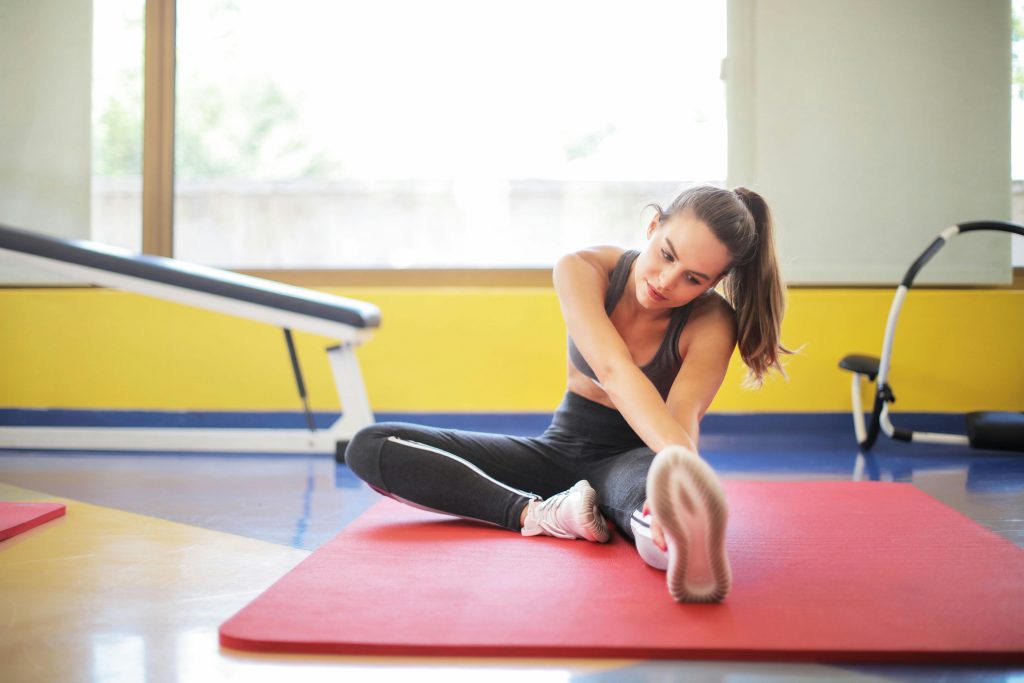
If you’ve started noticing stiffer knees, tighter hips, or shoulders that feel less cooperative than they once did, you’re not alone.
Many women over 40 become more aware of their joints – sometimes because of discomfort, sometimes simply because movement feels different than it used to.
The good news is that the best exercises for joint health after 40 are not extreme or complicated. In fact, they are often gentle, consistent, and focused on strength and mobility rather than intensity.
Joint health in midlife isn’t about avoiding movement.
It’s about choosing the right kind of movement.
This guide will walk you through supportive, realistic exercises that can help you feel stronger, more stable, and more confident in your body.
Why Joint Health Deserves Attention After 40
As you move through your 40s and beyond, natural changes can influence:
- Cartilage resilience
- Muscle mass
- Connective tissue elasticity
- Recovery speed
- Hormonal balance
These changes don’t mean your joints are “failing.” They simply mean your approach to movement may need to shift slightly.
Strong muscles help support joints.
Controlled movement helps maintain range of motion.
Balanced training helps reduce strain.
Joint health becomes less about pushing hard and more about moving wisely.
What Joints Actually Need
When thinking about the best exercises for joint health after 40, it helps to understand what joints benefit from.
Joints generally respond well to:
- Regular movement
- Strength around the joint
- Controlled range of motion
- Gradual load
- Adequate recovery
Long periods of inactivity can increase stiffness.
Excessive high-impact stress without recovery can increase irritation.
The goal is balance.
1. Walking: The Underrated Joint Supporter
Walking is one of the simplest and most supportive activities for joint health.
It:
- Encourages joint lubrication
- Maintains mobility
- Supports muscle engagement
- Is generally low impact
You don’t need long or fast walks to benefit.
Even 20–30 minutes at a comfortable pace can help reduce stiffness and improve circulation.
If you experience discomfort, you might adjust:
- Surface (grass vs concrete)
- Footwear
- Pace
Walking remains one of the most sustainable exercises for joint health after 40.
2. Strength Training for Joint Stability
Strong muscles reduce stress on joints.
After 40, strength training becomes increasingly important for protecting knees, hips, shoulders, and spine.
Lower Body Strength for Knee and Hip Health
Supportive movements include:
- Sit-to-stand exercises
- Squat variations
- Step-ups
- Glute bridges
- Controlled lunges
These strengthen:
- Quadriceps
- Hamstrings
- Glutes
Balanced strength reduces strain on knee joints.
Start with bodyweight if needed. Gradually add resistance when comfortable.
Upper Body Strength for Shoulder Health
Shoulder joints benefit from:
- Rowing movements
- Light pressing exercises
- Resistance band work
- Controlled push-ups
Strong upper back muscles improve posture and reduce shoulder strain.
Slow, controlled movements are often more joint-friendly than rapid repetitions.
3. Mobility and Range-of-Motion Work
Mobility work helps maintain joint movement capacity.
Gentle, consistent mobility sessions can:
- Reduce stiffness
- Improve comfort
- Support daily function
Examples of Mobility Exercises
You might include:
- Hip circles
- Shoulder rolls
- Ankle mobility drills
- Cat-cow spinal movements
- Thoracic rotations
These movements don’t need to be intense.
Small daily doses can be effective.
Mobility often feels best when done consistently rather than occasionally.
4. Pilates and Controlled Core Work
Pilates-style exercises are often supportive for joint health because they:
- Emphasise control
- Strengthen deep stabilising muscles
- Improve alignment
Core stability reduces unnecessary joint strain.
Exercises like:
- Dead bugs
- Bird-dogs
- Side planks
Can help build support around the spine and hips.
Joint health benefits when stability improves.
5. Resistance Bands for Low-Impact Strength
Resistance bands offer a joint-friendly way to add load.
They allow:
- Controlled tension
- Adjustable resistance
- Low-impact strengthening
Band exercises can support:
- Shoulder stability
- Hip strength
- Knee alignment
Bands are particularly useful if heavier weights feel uncomfortable.
6. Swimming and Water-Based Movement
Water reduces impact while allowing resistance.
Swimming or water aerobics can:
- Support cardiovascular health
- Strengthen muscles
- Reduce joint load
For women with joint sensitivity, water-based exercise can feel freeing.
It’s an option — not a requirement.
7. Balance Work for Joint Protection
Balance tends to shift subtly after 40.
Balance exercises strengthen stabilising muscles and reduce fall risk.
You might try:
- Single-leg stands
- Heel-to-toe walking
- Standing on one foot while brushing teeth
These small practices strengthen ankles, knees, and hips.
Joint health is supported by stability.
8. Gentle Yoga for Flexibility and Awareness
Yoga can support joint health when approached thoughtfully.
Benefits may include:
- Increased flexibility
- Improved posture
- Relaxation
- Stress reduction
Avoid forcing deep stretches.
Comfort and control matter more than range.
Exercises to Approach Carefully
While joint health doesn’t require avoidance of intensity, some activities may need adjustment depending on your body.
Examples include:
- Repetitive high-impact jumping
- Sudden increases in running mileage
- Rapid direction changes without preparation
This doesn’t mean you must eliminate these movements.
It may mean progressing gradually and allowing recovery.
Listening to Joint Feedback
Joint discomfort doesn’t automatically mean you should stop moving.
However, persistent or sharp pain deserves attention.
Healthy joint sensations often feel like:
- Mild muscle fatigue
- Gentle stretch
- Temporary stiffness that improves with movement
If discomfort lingers or worsens, scaling intensity and seeking guidance may be helpful.
Listening early prevents long-term setbacks.
Recovery Matters for Joint Health
Joint tissues benefit from recovery.
Supportive habits include:
- Adequate sleep
- Rest days between intense sessions
- Alternating hard and light workouts
- Staying hydrated
Overtraining can increase joint irritation.
Rest supports repair.
Weight Management and Joint Stress
Carrying extra body weight can increase load on weight-bearing joints like knees and hips.
That said, joint-friendly exercise is still possible at any size.
Walking, strength training, and water-based movement can support joint comfort regardless of weight goals.
Movement often helps joints feel better – not worse.
How Often Should You Train for Joint Health?
Consistency matters more than intensity.
Many women benefit from:
- Strength training 2–3 times per week
- Walking most days
- Mobility sessions several times weekly
- At least one rest day
Adjust frequency based on recovery and energy.
Building a Joint-Friendly Weekly Plan
A simple structure might look like:
- Monday: Strength
- Tuesday: Walking
- Wednesday: Mobility or Pilates
- Thursday: Strength
- Friday: Walking
- Weekend: One rest day, one gentle activity day
This rhythm balances challenge and recovery.
Progress Without Pressure
Improvement in joint health may show up as:
- Less morning stiffness
- Easier stair climbing
- Improved posture
- Better balance
These changes can be subtle but meaningful.
Joint health builds gradually.
Redefining “Strong” After 40
Strong joints are not about lifting the heaviest weight.
They are about:
- Stability
- Confidence
- Comfortable range of motion
- Functional movement
Strength and mobility work together.
A Reassuring, Empowering Conclusion
The best exercises for joint health after 40 are not extreme or punishing.
They are:
- Consistent
- Controlled
- Balanced
- Adaptable
Walking, strength training, mobility work, Pilates, resistance bands, and balance exercises can all support healthy joints when approached thoughtfully.
Your joints are not fragile – they are adaptable.
When you move regularly, strengthen supportive muscles, and allow recovery, you create a foundation for long-term comfort and confidence.
You don’t need perfection.
You need steady, supportive movement.
And that is something you can build – one balanced week at a time.