This article is for general information only and is not intended as medical advice. Always consult a qualified health professional for personal guidance.
If you’ve ever tried to lose weight through strict rules, cutting out entire food groups, or pushing yourself through unsustainable routines, you’re not alone.
Extreme dieting can feel appealing in the moment-especially when you want results quickly. But over time, it often leads to cycles of restriction, frustration, and starting over.
For women over 35, this approach can feel even harder to maintain. Your body, energy, and lifestyle may not respond well to extremes anymore.
The good news is that fat loss doesn’t require rigid rules or drastic changes.
A more balanced, steady approach can support your body in a way that feels realistic-and sustainable.
What Fat Loss Without Extreme Dieting Really Means
Approaching fat loss without extreme dieting doesn’t mean doing nothing or avoiding effort.
It means shifting from short-term restriction to long-term consistency.
Instead of asking, “How much can I cut out?” you begin asking,
“What can I realistically maintain?”
This subtle shift often changes everything.
Why Extreme Dieting Often Doesn’t Work Long Term
Before looking at a more supportive approach, it helps to understand why extremes can be difficult to sustain.
1. It can disrupt your energy
Very low-calorie or restrictive eating can leave you feeling tired, foggy, or less motivated to move.
Over time, this can make it harder to stay consistent with both eating and exercise habits.
2. It can increase cravings
When you restrict certain foods or eat very little, your body may respond with stronger hunger signals.
This can lead to cycles of strict control followed by overeating.
3. It’s difficult to maintain in real life
Busy schedules, family responsibilities, and social events don’t always align with rigid plans.
If a plan doesn’t fit your life, it becomes harder to continue.
4. It can shift focus away from overall health
When the focus is only on weight loss, other important areas-like strength, energy, and wellbeing-can be overlooked.
A More Sustainable Way to Approach Fat Loss
If extreme dieting isn’t the answer, what is?
For many women, a more balanced approach focuses on supporting the body rather than restricting it.
1. Start With Consistency, Not Perfection
You don’t need perfect days—you need repeatable ones.
Small, consistent habits tend to have more impact over time than short bursts of strict effort.
What this can look like
- Eating regular meals most days
- Moving your body a few times each week
- Returning to your routine after less structured days
Consistency builds momentum without pressure.
2. Focus on Balanced Meals
Rather than cutting foods out, you can focus on building meals that support energy and satisfaction.
A simple way to think about meals
You might aim to include:
- A source of protein
- Some form of fibre (vegetables, whole foods)
- A source of healthy fats
- Carbohydrates that support your energy needs
This balance can help you feel fuller for longer and reduce large swings in hunger.
3. Pay Attention to Hunger and Fullness
Extreme dieting often ignores your body’s signals.
A more sustainable approach brings your attention back to them.
What this might look like
- Eating when you feel genuinely hungry
- Stopping when you feel comfortably satisfied
- Noticing how different foods affect your energy
This isn’t about strict rules-it’s about awareness.
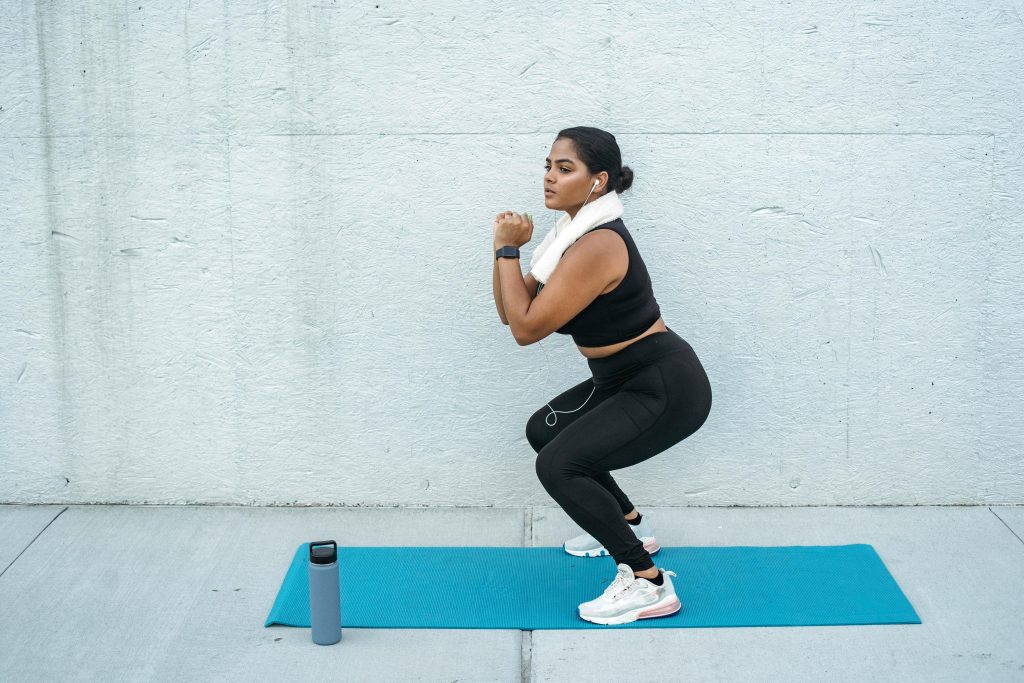
4. Include Strength-Based Movement
Fat loss isn’t just about reducing weight-it’s also about supporting your body composition.
Strength-based movement can help maintain muscle, which plays a role in how your body uses energy.
Practical options
- Bodyweight exercises at home
- Resistance bands
- Light weights at the gym
You don’t need long sessions-short, consistent efforts can be enough.
5. Keep Cardio Supportive, Not Excessive
Cardio can be part of a healthy routine, but it doesn’t need to be the main focus.
A balanced approach
- Walking most days
- Adding occasional higher-effort intervals
- Choosing activities you enjoy
The goal is to support your energy-not drain it.
6. Support Your Energy, Not Just Your Weight
When your energy is stable, it’s easier to stay consistent with habits.
Low energy often leads to skipped workouts, convenience eating, and frustration.
Small ways to support energy
- Eat regularly throughout the day
- Stay hydrated
- Get enough rest where possible
Fat loss tends to feel more manageable when your energy is supported.
7. Make Your Environment Work for You
You don’t need constant willpower if your environment supports your habits.
Examples
- Keeping simple, balanced foods available
- Preparing meals ahead of busy days
- Having easy options for quick movement
These small adjustments can reduce decision fatigue.
8. Allow Flexibility Without Guilt
Rigid plans can create an “all or nothing” mindset.
A more flexible approach allows room for real life.
What this might look like
- Enjoying social meals without overthinking
- Adjusting your routine during busy weeks
- Returning to your habits without feeling like you’ve “failed”
Flexibility supports long-term consistency.
9. Track Progress in Different Ways
Fat loss isn’t only reflected on the scale.
Other changes can be just as meaningful.
You might notice
- Improved strength
- More stable energy
- Better sleep
- Clothes fitting differently
These signs can help you stay motivated without relying on one measure.
10. Be Patient With the Process
Fat loss without extreme dieting often happens more gradually.
This can feel unfamiliar if you’re used to quicker changes.
But slower progress is often more sustainable-and easier to maintain.
A Simple, Realistic Weekly Approach
You don’t need a complex plan.
A simple structure might include:
- 2–3 strength-based sessions
- Regular walking or light cardio
- Consistent meals most days
- Flexible choices around social or busy times
This kind of routine can fit into everyday life without feeling overwhelming.
Listening to Your Body Matters
Your needs may change week to week.
Energy, stress, sleep, and hormones can all influence how you feel.
Paying attention to these factors can help you adjust your approach in a supportive way.
Letting Go of the “Quick Fix” Mindset
It’s understandable to want fast results.
But quick fixes often come with trade-offs that make them difficult to sustain.
A steadier approach may not feel dramatic, but it tends to be more realistic for long-term change.
When Things Don’t Go to Plan
There will be days or weeks that feel less structured.
This is a normal part of any long-term approach.
What matters most is returning to your habits without pressure or self-criticism.
Bringing It All Together
Approaching fat loss without extreme dieting is less about doing less—and more about doing what works over time.
Instead of restriction and pressure, the focus shifts to:
- Consistent habits
- Balanced meals
- Supportive movement
- Realistic expectations
Your body doesn’t need extremes to change.
It needs steady, supportive input that fits your life.
A Final Thought
You don’t have to overhaul everything or follow strict rules to move toward your goals.
Small, repeatable habits can create meaningful change over time.
By working with your body-rather than against it-you can build an approach to fat loss that feels calmer, more manageable, and easier to maintain.
And that’s often what makes the biggest difference in the long run.