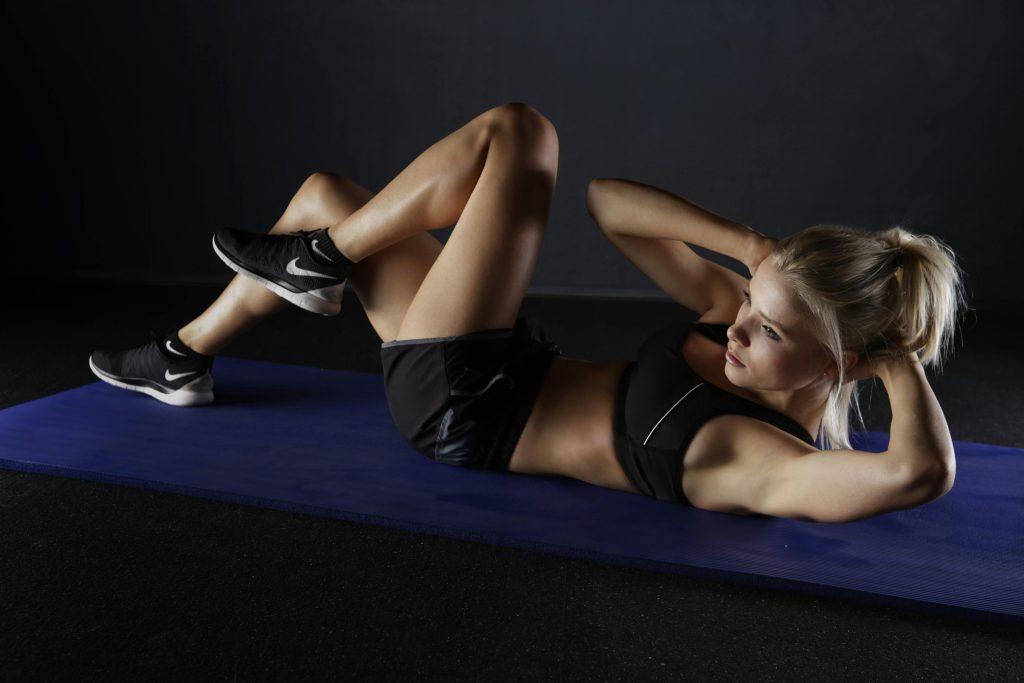
If you’re in your 40s or beyond and thinking about strength training, you’ve probably asked this question:
Pilates vs weights for women 40+ – which one is better?
Maybe you enjoy the control and flow of Pilates.
Maybe you’ve heard lifting weights is essential as you age.
Maybe you’re unsure where to begin.
The honest answer is not as simple as choosing one over the other.
Both Pilates and weight training offer valuable benefits for women over 40. The key is understanding what each supports – and how they might fit into your life right now.
This guide will help you compare Pilates and weights in a calm, practical way so you can make a choice that feels sustainable and supportive.
Why strength matters more after 40
Before comparing Pilates vs weights for women 40+, it helps to understand why strength becomes more important in midlife.
From your late 30s onward, your body gradually changes in ways that may affect:
- Muscle mass
- Bone density
- Joint stability
- Balance and coordination
- Recovery speed
Strength-based movement can help support all of these areas.
The goal isn’t to “push harder” – it’s to move in ways that help you feel capable and confident for years to come.
What Is Pilates, Really?
Pilates is a low-impact form of movement that focuses on:
- Core strength
- Postural alignment
- Controlled, precise movements
- Breath awareness
It can be done:
- On a mat
- Using small props
- On reformer or studio equipment
Pilates often feels intentional and focused rather than intense or explosive.
What Pilates Supports After 40
Many women over 40 find Pilates helpful for:
Core Stability
Pilates strengthens deep abdominal and spinal support muscles.
Posture
It encourages awareness of alignment, especially helpful if you sit often.
Joint-Friendly Strength
Movements are typically low-impact and controlled.
Mind-Body Connection
Breath and control can support stress regulation.
For women experiencing joint sensitivity or returning to exercise, Pilates can feel approachable and manageable.
What Is Weight Training?
Weight training involves using resistance – such as:
- Dumbbells
- Barbells
- Machines
- Kettlebells
- Resistance bands
The goal is to challenge muscles enough that they adapt and become stronger over time.
Weight training can range from light and controlled to heavier and more demanding.
What Weight Training Supports After 40
When considering Pilates vs weights for women 40+, weight training is often highlighted because it supports:
Muscle Maintenance
Muscle naturally declines with age if it isn’t used.
Bone Strength
Resistance can support bone health over time.
Functional Strength
Lifting, carrying, pushing, and pulling movements mimic daily life tasks.
Body Composition
Muscle influences metabolism and overall firmness.
Weight training can feel empowering, especially when you notice progress in strength.
Pilates vs Weights for Women 40+: Key Differences
Rather than thinking in terms of “better,” it helps to understand how they differ.
1. Intensity and Load
- Pilates usually uses bodyweight or light resistance.
- Weight training allows for heavier external load.
Heavier load often stimulates muscle growth more directly, but that doesn’t mean Pilates isn’t effective.
2. Movement Speed
- Pilates movements are typically slow and controlled.
- Weight training can be slow or more dynamic depending on style.
Slower movements can be joint-friendly and improve control.
3. Equipment Requirements
- Pilates can be done with minimal equipment.
- Weight training often requires access to resistance tools.
Access and convenience matter for long-term consistency.
4. Mind-Body Focus
Pilates places strong emphasis on breath, alignment, and body awareness.
Weight training can also include these elements, but often focuses more on progressive resistance.
Which Builds More Muscle?
If your main goal is muscle growth or increased strength, weight training may offer more direct stimulus because you can gradually increase resistance.
However, Pilates can still build strength – particularly in:
- Core muscles
- Smaller stabilising muscles
- Endurance-focused strength
The question becomes less about “which builds more” and more about “which supports your goals and recovery.”
Which Is Better for Joint Sensitivity?
Many women in their 40s experience:
- Knee discomfort
- Hip tightness
- Shoulder sensitivity
- Lower back stiffness
Pilates often feels gentler because of its controlled pace and low impact.
That said, weight training can also be joint-friendly when:
- Proper form is prioritised
- Loads are appropriate
- Movements are controlled
Both approaches can be supportive when adjusted thoughtfully.
What About Hormonal Changes?
Hormonal shifts in midlife can affect:
- Recovery speed
- Energy levels
- Muscle response
Some women find:
- High-load training feels empowering.
- Pilates feels more sustainable during stressful periods.
There is no universal rule.
Your nervous system and stress load matter as much as the workout type.
Pilates vs Weights for Women 40+: What Are Your Goals?
Clarifying your goal can simplify the decision.
If Your Goal Is:
Better Posture and Core Control
Pilates may feel especially helpful.
Increasing Overall Strength
Weight training might offer more direct progress.
Low-Impact Consistency
Pilates often wins for ease of recovery.
Feeling Physically Powerful
Weight training can build visible and measurable strength.
Most women benefit from elements of both over time.
Can You Combine Pilates and Weights?
Absolutely.
In fact, many women find the combination works well.
You might:
- Do Pilates once or twice per week
- Lift weights once or twice per week
- Walk or include gentle cardio on other days
Pilates can enhance alignment and control, which supports better weight training form.
Weight training can increase strength that enhances Pilates performance.
They complement each other more than they compete.
How Recovery Influences the Choice
Recovery becomes more important after 40.
If you notice:
- Lingering soreness
- Fatigue after lifting
- Difficulty sleeping
You may benefit from balancing weight sessions with Pilates or lighter movement.
If Pilates feels too easy and you want more challenge, adding weight training may support progress.
Listening to your recovery cues is more useful than following trends.
Mental and Emotional Considerations
Exercise isn’t only physical.
Ask yourself:
- Which type of workout do I look forward to?
- Which feels sustainable in busy weeks?
- Which leaves me feeling energised rather than depleted?
Consistency grows from enjoyment and alignment with your life.
Common Myths
“Pilates Isn’t Real Strength”
Pilates builds strength – particularly in stabilising muscles – even if it looks subtle.
“Weights Are Dangerous After 40”
When done thoughtfully, resistance training can be safe and supportive.
“You Have to Choose One”
Fitness is not a loyalty program.
You can evolve your approach as your needs change.
Practical Ways to Decide
If you’re unsure, you might:
- Try each consistently for 4–6 weeks.
- Notice how your body feels during and after.
- Track energy, soreness, and motivation.
Your lived experience is more valuable than any headline.
A Simple Weekly Example
Here’s one balanced approach:
- Monday: Weight training
- Wednesday: Pilates
- Friday: Weight training
- Weekend: Walking or gentle movement
This is just an example – not a rule.
Adapt based on time, energy, and recovery.
When One May Be Enough
If your schedule is tight, choosing one is fine.
If you enjoy Pilates and can maintain it long-term, that consistency matters.
If weight training feels empowering and you recover well, that’s valid too.
Sustainability outweighs theoretical optimisation.
Redefining “Best” After 40
The best choice in the Pilates vs weights for women 40+ discussion is not the one that burns the most calories or builds muscle fastest.
It’s the one that:
- Supports long-term strength
- Fits your recovery capacity
- Feels realistic
- Encourages consistency
Fitness after 40 is about longevity, not intensity.
A Reassuring, Empowering Conclusion
So, Pilates vs weights for women 40+ – which should you choose?
You don’t have to choose based on fear, trends, or pressure.
Both can support strength, stability, and confidence.
Both can be adjusted to suit your body.
Both can evolve as your life changes.
If you’re unsure, start somewhere simple.
Stay consistent.
Pay attention to how you feel.
Adjust as needed.
Your body doesn’t need extremes.
It needs movement that supports you – physically, mentally, and sustainably – for the long term.