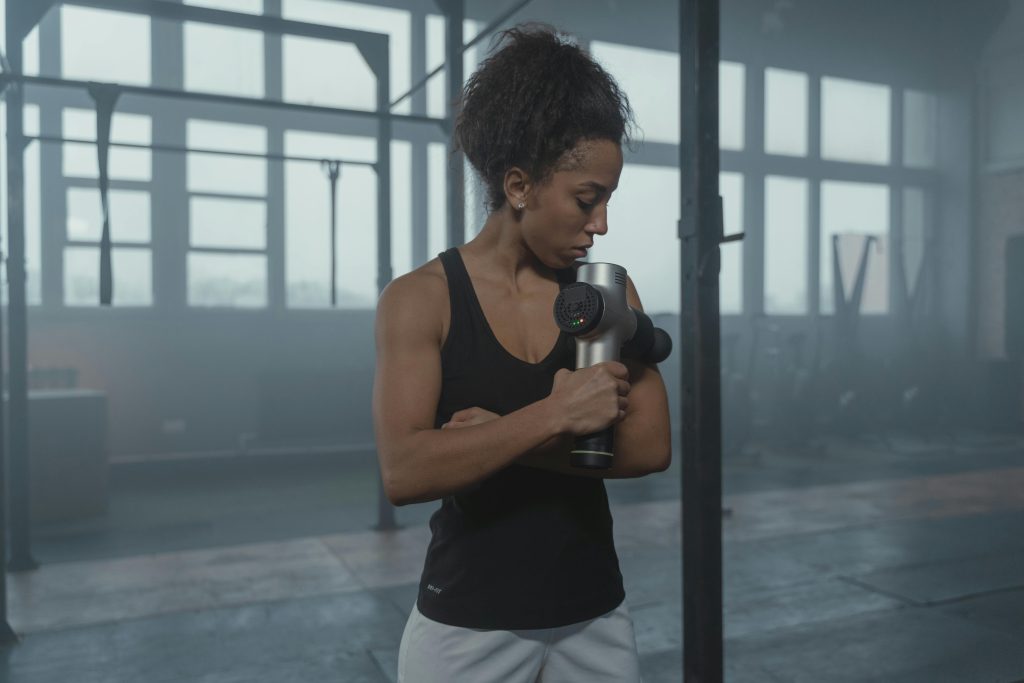
If you’ve noticed that workouts take more out of you than they used to, you’re not imagining it.
Many women over 35 find that recovery becomes the deciding factor in whether fitness feels supportive or exhausting.
Learning practical recovery tips for women over 35 isn’t about doing less or lowering standards.
It’s about understanding how your body changes with age and giving it what it needs to adapt, rebuild, and feel good again.
This article explores recovery in a calm, realistic way – without extreme protocols, supplements, or rigid rules — so you can stay active without burning out.
Why recovery matters more after 35
In your 20s and early 30s, you may have been able to:
- Train hard several days in a row
- Sleep less and still feel fine
- Bounce back quickly from soreness
After 35, recovery capacity often changes.
This doesn’t mean your body is weaker.
It means your margin for stress – physical and mental – is narrower, and recovery becomes more important than effort alone.
What “recovery” actually means
Recovery is not just rest days or lying on the couch.
Recovery includes anything that helps your body:
- Repair muscle tissue
- Calm the nervous system
- Restore energy
- Feel ready to move again
For women over 35, recovery often needs to be intentional rather than accidental.
Signs you may need more recovery
Your body usually gives feedback before burnout happens.
Common signs include:
- Lingering muscle soreness
- Fatigue that doesn’t improve with sleep
- Decreased motivation to exercise
- Feeling irritable or flat
- Workouts feeling harder than expected
These signs aren’t failures.
They’re signals.
Recovery tips for women over 35: the big picture
Before diving into specific strategies, it helps to zoom out.
Effective recovery usually involves:
- Managing total stress, not just workouts
- Supporting sleep and energy
- Choosing movement that feels restorative at times
- Letting go of constant intensity
Small, consistent recovery habits tend to work better than dramatic interventions.
Sleep: the foundation of recovery
Why sleep matters more now
Sleep is one of the most powerful recovery tools available – and one of the most disrupted in midlife.
Changes in hormones, stress, and lifestyle can affect:
- How easily you fall asleep
- How deeply you sleep
- How rested you feel in the morning
Even small improvements in sleep consistency can noticeably improve recovery.
Gentle ways to support sleep
You might experiment with:
- Going to bed and waking up at similar times
- Creating a short wind-down routine
- Reducing late-night stimulation
- Allowing your evenings to slow down
Perfect sleep isn’t required.
Consistency often matters more.
Active recovery: moving without pushing
What active recovery looks like
Active recovery involves gentle movement that supports circulation and relaxation rather than intensity.
Examples include:
- Walking
- Gentle cycling
- Stretching or mobility work
- Easy yoga-style movement
These activities can help your body recover while still keeping you moving.
Why active recovery helps after 35
Many women over 35 feel stiffer when they stop moving entirely.
Light movement often:
- Reduces muscle tension
- Improves range of motion
- Supports mental recovery
Active recovery days can make it easier to return to harder workouts feeling ready.
Strength training and recovery balance
Strength gains depend on recovery
Strength training creates stress in muscles and the nervous system.
Progress happens when:
- You allow time for repair
- You avoid stacking intense sessions back-to-back
- You listen to soreness and fatigue cues
More strength sessions don’t always lead to better results if recovery is lacking.
Spacing strength workouts
Many women find it helpful to:
- Leave a day between harder strength sessions
- Alternate strength with walking or gentle movement
- Keep some sessions shorter
This approach often supports better consistency and confidence.
Stretching and mobility: supportive, not mandatory
The role of stretching in recovery
Stretching and mobility work can:
- Reduce stiffness
- Improve movement comfort
- Create a calming transition between activities
They don’t need to be long or elaborate to be helpful.
How to keep it realistic
You might:
- Stretch for a few minutes after workouts
- Add mobility work before bed
- Focus on areas that feel tight or overused
Recovery routines work best when they’re easy to maintain.
Nervous system recovery matters too
Recovery isn’t just physical
Mental and emotional stress affects how your body recovers from exercise.
Even if your workouts feel reasonable, high life stress can:
- Slow recovery
- Increase fatigue
- Reduce enjoyment of movement
Supporting your nervous system is a key part of recovery tips for women over 35.
Simple nervous system support
This might include:
- Slow, deep breathing
- Quiet time without screens
- Walking outdoors
- Gentle stretching in a calm environment
These practices don’t need to be long to be effective.
Nutrition as recovery support (without rules)
This article won’t give dietary prescriptions, but general patterns matter.
Recovery often feels better when:
- Meals are regular rather than skipped
- You eat enough to support activity
- You avoid long periods of extreme restriction
Under-fuelling can make recovery harder at any age, and more noticeable after 35.
Hydration and recovery awareness
Hydration supports:
- Circulation
- Joint comfort
- Overall energy
You don’t need rigid targets, but noticing patterns can help.
If you often feel:
- Headachy
- Sluggish
- Extra sore
Gentle hydration awareness may support recovery.
Recovery and stress load outside exercise
Fitness doesn’t exist in isolation
Work, family, finances, and emotional responsibilities all contribute to your stress load.
When life stress is high:
- Recovery needs often increase
- Workout intensity may need adjusting
- Rest becomes more important
Ignoring this connection often leads to burnout.
Adapting workouts during stressful periods
During high-stress weeks, you might:
- Reduce intensity
- Shorten workouts
- Focus on movement that feels calming
This is adaptation, not quitting.
Rest days: redefining their purpose
Rest days are not lost days
Rest days support:
- Muscle repair
- Nervous system recovery
- Long-term consistency
They are part of training, not a break from it.
What rest days can include
Rest doesn’t have to mean inactivity.
It might include:
- Gentle walking
- Stretching
- Leisure movement
- Extra sleep
Choose what helps you feel restored.
Recovery myths that don’t help women over 35
“If you’re sore, you didn’t recover properly”
Soreness can happen even with good recovery.
What matters is how quickly it resolves and how you feel overall.
“More recovery means you’re less committed”
Commitment includes listening to your body and adjusting when needed.
“Recovery is only for athletes”
Every woman who moves her body benefits from recovery – not just elite athletes.
Listening to your body without overthinking
Recovery cues don’t require constant analysis.
You might ask:
- Do I feel ready to move today?
- Am I energised or drained afterward?
- Do I look forward to workouts or dread them?
These simple questions often guide recovery decisions better than rigid rules.
Building recovery into busy lives
Many women over 35 are time-poor.
Recovery doesn’t need extra hours.
It can be built into existing routines.
Examples include:
- Walking instead of driving short distances
- Stretching while watching TV
- Slowing down your evening routine
Small changes add up.
Recovery during inconsistent weeks
Life will interrupt your routine sometimes.
When workouts are irregular:
- Prioritise sleep where possible
- Choose gentle movement
- Let go of “catch-up” thinking
Your body doesn’t need punishment to stay healthy.
Long-term recovery vs short-term fixes
Ice baths, gadgets, and complex protocols are often marketed as recovery solutions.
While some people enjoy them, they’re not required.
Long-term recovery usually comes from:
- Consistent sleep
- Manageable training load
- Stress awareness
- Kindness toward your body
These basics tend to outperform trends.
Recovery and confidence
When recovery improves, many women notice:
- More confidence in their body
- Less fear of soreness or injury
- Greater enjoyment of movement
Recovery supports not just your body, but your relationship with exercise.
Progress doesn’t mean constant intensity
Progress after 35 often looks like:
- Feeling capable
- Recovering well
- Wanting to keep moving
- Trusting your body’s signals
These outcomes matter just as much as performance improvements.
Letting go of guilt around rest
Rest is not something you need to earn.
Taking care of your body allows you to:
- Train more consistently
- Avoid long breaks due to exhaustion
- Enjoy movement again
Guilt-free recovery is sustainable recovery.
A reassuring, empowering conclusion
Effective recovery tips for women over 35 are not about doing everything perfectly.
They’re about paying attention, adjusting when needed, and respecting your body’s changing needs.
Recovery is not a sign that you’re slowing down.
It’s a sign that you’re training wisely for the long term.
When you support recovery – through sleep, gentle movement, stress awareness, and flexibility – fitness often becomes more enjoyable and more effective.
You don’t need extreme routines or rigid rules.
You need recovery habits that fit your life, support your energy, and help you keep moving with confidence for years to come.